
Choosing a Christmas tree color scheme is easier when you start with a method. Instead of buying random ornaments, decide on a palette first, then let that guide your lights, ribbon, and picks. Below are 12 palettes and the simple rules for making any of them look intentional.
How Many Colors to Use
A common rule of thumb is to choose one base, one accent, and one metallic. The base color covers the largest area, the accent adds contrast, and the metallic finish catches the light. You can add a second accent if it is closely related, such as red and burgundy or blue and teal, but more than four colors can start to look busy.
Base, Accent, and Metallic
Think of the base as the personality of the tree. If you already own a lot of red ornaments, make red your base. The accent can be a smaller color that appears in berries, picks, or miniature ornaments. The metallic is the finish that ties it together, whether that is gold, silver, copper, or brass. Keeping these three roles in mind makes it much easier to edit as you decorate.
Matching Lights to the Palette
Lights set the mood before any ornament goes on the tree. The right light color makes your palette look polished; the wrong one can make it feel off.
Warm White vs. Cool White
Warm white lights have a soft yellow glow that flatters red, gold, cream, and natural tones. Cool white lights have a blue-white glow that suits silver, blue, and icy palettes. If your palette is warm, choose warm white. If it is cool, choose cool white. Mixing warm and cool white on the same tree can look accidental unless you are going for a very casual style.
Colored Lights
Colored lights work best when you treat them as an accent. A multicolor retro tree can handle bright bulbs because the ornaments are already playful. For a more traditional palette, you can use clear warm lights and let the ornaments provide the color. Before hanging lights, check the manufacturer’s instructions for indoor and outdoor use. If any lights go outdoors, use outdoor-rated lights with a certification mark such as UL, ETL, or CSA.
12 Christmas Tree Color Palettes
Each palette below includes a mood, what to pair, and a tip. Use them as a starting point, then adjust based on the ornaments you already own.
1. Classic Red & Green
Mood: Timeless, cozy, and festive.
What to pair: Red matte and glossy balls, green garland, plaid ribbon, and natural wood or pinecone accents.
Tip: Use several shades of red and green so the tree has depth. A few white ornaments or white berries keep the palette from feeling too heavy.
2. Red & Gold
Mood: Rich, traditional, and celebratory.
What to pair: Red ornaments, gold metallic picks, brass bells, and gold ribbon.
Tip: Mix matte red with shiny gold so each finish catches the light. A wired tree ribbon helps you shape soft swags around the tree.
3. Gold & White
Mood: Elegant, bright, and sophisticated.
What to pair: White ornaments, gold glitter picks, white ribbon, and clear or crystal-look drops.
Tip: Layer several tones of gold, such as champagne, antique, and bright gold, so the light palette does not look flat.
4. Silver & Blue
Mood: Cool, calm, and icy.
What to pair: Blue ornaments, silver tinsel, glass icicles, and white ribbon.
Tip: Use cool white lights to enhance the icy feel. Add a few silver snowflakes and let the blue be the only saturated color.
5. Black & Gold
Mood: Dramatic, modern, and moody.
What to pair: Black ornaments, gold accents, black-and-white ribbon, and matte black picks.
Tip: Keep the tree lit with warm white lights so the black ornaments do not disappear. Gold picks and ribbon provide the contrast that makes this palette work.
6. Pink & Gold
Mood: Playful, romantic, and soft.
What to pair: Pink ornaments in blush and rose, gold balls, white flowers, and velvet ribbon.
Tip: Mix pink shades from pale blush to deep rose for dimension. Warm white lights make the pink feel richer.
7. Burgundy & Cream
Mood: Cozy, rustic, and farmhouse-inspired.
What to pair: Burgundy ornaments, cream ribbon, faux berries, and plaid accents.
Tip: Add natural wood or burlap to keep the palette warm. Warm white lights work best with this combination.
8. All-White
Mood: Crisp, clean, and wintery.
What to pair: White ornaments in varied finishes, white ribbon, and silver or clear accents.
Tip: Use different textures, such as matte, glossy, and fuzzy, so the monochrome tree has dimension. Matte ornament sets are a good starting point for a soft, modern look.
9. Natural/Neutral
Mood: Organic, calm, and Scandinavian.
What to pair: Wood ornaments, natural fiber ribbon, beige and tan balls, and dried orange slices.
Tip: Use warm white lights and skip metallic finishes if you want a purely natural look. Burlap and linen ribbon add texture without adding color.
10. Green & Wood
Mood: Rustic, outdoorsy, and simple.
What to pair: Green ornaments, wood slice ornaments, pinecone picks, and burlap ribbon.
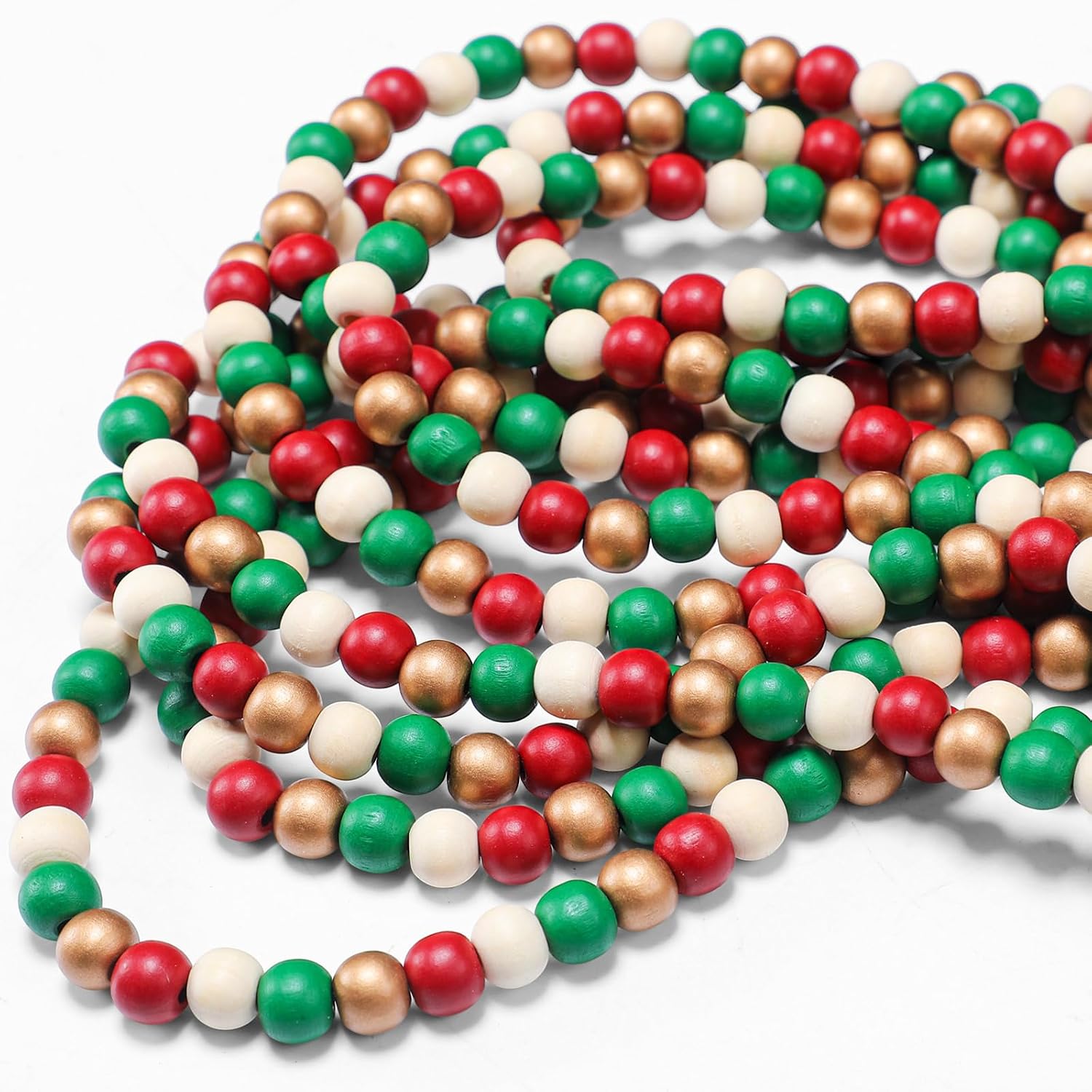
Tip: Choose varied greens, such as sage, forest, and olive, and add wooden beads for texture. This palette works well with a real or artificial tree that has visible branches.
11. Multicolor Retro
Mood: Fun, nostalgic, and playful.
What to pair: Bright ornaments in red, blue, yellow, and green, vintage-style glass, and tinsel.
Tip: Use colored lights or multi-color lights to complete the retro feel. Keep the tree full with wide ribbon or tinsel so the bright colors have a background.
12. Jewel Tones
Mood: Luxurious, rich, and festive.
What to pair: Purple, teal, magenta, and gold ornaments, jewel-tone ribbon, and peacock feather picks.
Tip: Use a dark tree or add dark picks to make jewel tones pop. Warm white lights help the colors feel rich rather than harsh.
Here is a quick reference table for the palettes above.
| Palette | Mood | Best With |
|---|---|---|
| Classic Red & Green | Timeless, cozy | Plaid ribbon, wood, pinecones |
| Red & Gold | Rich, traditional | Gold picks, brass bells, red matte balls |
| Gold & White | Elegant, bright | White ribbon, crystal-look drops, champagne gold |
| Silver & Blue | Cool, calm | Glass icicles, silver tinsel, white lights |
| Black & Gold | Dramatic, modern | Black matte balls, gold ribbon, warm lights |
| Pink & Gold | Playful, romantic | Blush roses, velvet ribbon, white flowers |
| Burgundy & Cream | Cozy, rustic | Faux berries, burlap, plaid accents |
| All-White | Crisp, clean | Matte and glossy whites, silver drops |
| Natural/Neutral | Organic, calm | Wood, dried orange, beige linen |
| Green & Wood | Rustic, outdoorsy | Wood slices, pinecones, burlap |
| Multicolor Retro | Fun, nostalgic | Vintage glass, tinsel, colored lights |
| Jewel Tones | Luxurious, rich | Purple, teal, magenta, gold accents |
Using What You Already Own
Start by sorting your ornaments by color. You will probably find a dominant color, a secondary color, and a metallic. Choose the palette that matches the largest group, then use ribbon or picks to fill in the gaps. If you have a lot of red and gold, make that your scheme. If you have a mix of blues and greens, choose one as the base and the other as the accent.
You do not need to buy all new ornaments. A few new picks or a roll of ribbon can make old ornaments feel intentional. Tuck some of the larger ornaments deeper into the branches so the color reads from every angle. For a complete walkthrough, see our guide on how to decorate a Christmas tree.
Tying the Tree to the Rest of the Room
Once your tree has a palette, repeat that palette elsewhere in the room. If your tree is gold and white, add a gold throw pillow or a white garland on the mantel. If it is burgundy and cream, use a plaid tree skirt and matching stockings. The tree skirt, topper, and garland are easy places to connect the tree to your existing decor.
Consider the room’s wall color and furniture. A silver and blue tree looks at home in a cool-toned room, while a red and gold tree warms up a neutral space. Keep the tree away from heat sources like fireplaces and vents, and if you use candles in the room, never leave them unattended. For more ways to connect the tree to your space, browse our Christmas living room ideas.
FAQ
How many colors should a Christmas tree have?
A common rule of thumb is three: one base, one accent, and one metallic. You can add a second accent if it is closely related, but more than four colors can look busy.
Should I use warm or cool white lights?
Warm white flatters red, gold, cream, and natural palettes. Cool white suits silver, blue, and icy palettes. For a multicolor retro tree, colored lights work well.
How do I choose a Christmas tree color scheme?
Look at the ornaments you already own and pick the color you have the most of as your base. Then choose one accent and one metallic that appear in your existing decor.
Can I mix gold and silver on the same tree?
Yes, but it helps to choose one as the dominant metallic and use the other sparingly. Mixing them evenly can look unintentional.
The right Christmas tree color scheme is the one that feels like home to you. Start with a palette, edit as you go, and let your tree set the mood for the whole room.