 By Colin Foster
Updated November 2026
Vintage Christmas ornaments Shiny Brite pieces are among the most recognizable glass decorations from the mid-twentieth century, and most collectors and decorators love them for their bright colors, thin walls, and nostalgic charm. In this guide, you will learn how to tell an authentic vintage piece from a reproduction, how to estimate its age from its construction, how to care for it safely, and how to arrange it on a tree for a retro look. Whether you inherited a box from a grandparent or are starting a small collection, the steps below will help you enjoy these ornaments without damaging them.
What Makes a Shiny Brite Ornament Recognizable
Shiny Brite was a brand of glass ornaments produced in the United States for much of the twentieth century, and the name became so familiar that many people now use it as a general term for any shiny, mercury-glass-style bulb from that era. Original Shiny Brite pieces share several traits: thin blown glass, a silvered or lacquered interior, and a hand-applied or stenciled finish. Knowing these features helps you separate true vintage pieces from later imitations.
Shopping for one? See our guide: 3 Best Christmas Ornaments Shiny Brite Picks for Vintage-Style Trees.
Key visual traits
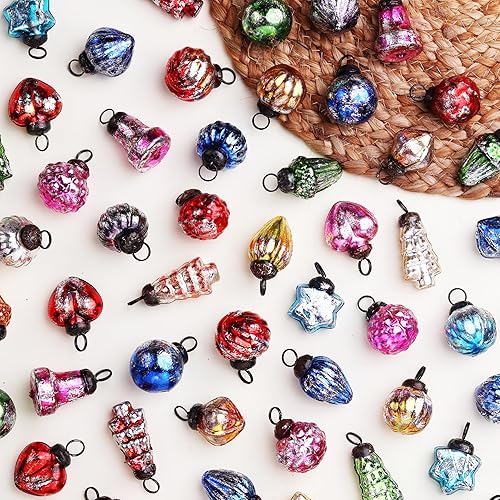
- Color saturation: Original colors tend to be deep and slightly uneven, such as cranberry, emerald, cobalt, and gold, with visible variation from piece to piece.
- Reflective interior: Vintage ornaments often show a soft, slightly mottled silvering, while modern versions are usually more uniform.
- Wall thickness: Older glass feels light and thin. Hold a piece up to a bright lamp and look for slight unevenness in the walls.
- Surface finish: Many originals have a painted or frosted band, a glitter accent, or a hand-stenciled design that shows small irregularities.
How to Identify and Date Vintage Shiny Brite Ornaments
Dating an ornament is rarely exact, but a few clues can narrow the period considerably. Start by examining the cap, the hanging loop, and any markings, then compare the color and finish to documented examples in collector references.
Check the cap and hanger
Older ornaments often have metal caps crimped tightly onto the glass, sometimes with a wire loop or a simple paper hanger. Caps that look like modern plastic or stamped foil with a clearly printed barcode are a sign of a newer piece. Tarnished or oxidized caps usually indicate age, though tarnish alone does not prove authenticity.
Look for markings and labels
Some vintage pieces carry a paper label, a stamped mark on the cap, or a small embossed logo. Many labels have faded, and some original ornaments never had any marking at all. Treat markings as helpful evidence, but never as the only proof.
Compare with collector references
Printed collector guides and reputable online price-free catalogs of vintage ornaments show how colors, shapes, and caps changed over time. Pay attention to the overall shape: rounded bulbs, tapered finials, and spun-glass tops each appeared in specific decades.
| Clue | Likely vintage sign | Likely modern sign |
|---|---|---|
| Cap material | Crimped metal, oxidized over time | Bright plastic or uniform stamped foil |
| Glass walls | Thin, slightly uneven | Uniform, sturdier |
| Interior silvering | Soft, mottled, sometimes worn | Even, bright, unworn |
| Paint or decoration | Hand-applied, slightly irregular | Machine-printed, very precise |
Step-by-Step: Inspecting a Vintage Ornament Before You Buy or Hang It
Whether you are evaluating a piece at an estate sale or checking a box in your attic, a consistent inspection routine keeps you from missing damage or misidentifying a reproduction.
- Set the ornament on a soft towel on a clean table, away from pets and children.
- Hold it up to a window or bright lamp and check the walls for thin spots, cracks, or chips along the rim.
- Gently tilt it to look for flaking silvering inside. Small spots near the cap are common; large patches are more significant.
- Examine the cap for rust, looseness, or crumbling. A loose cap can make hanging risky.
- Look at the color under daylight and under warm indoor light, since some glass changes appearance.
- Record what you find: condition, size, color, and any marks. This helps later if you want to research the piece further.
Caring for Fragile Vintage Glass
Original glass from this period is delicate, and its silvering can deteriorate with heat, humidity, and handling. Careful storage and gentle hanging make a large difference in how long a piece lasts.
Storage basics
- Keep ornaments in their original boxes or in padded compartments with dividers.
- Store them in a dry room away from attics and basements, where temperature swings and moisture can damage silvering.
- Avoid direct sunlight, which can fade painted accents over time.
Handling and hanging
Always hold an ornament by its cap rather than the bulb. Hang it on sturdy branches close to the trunk, where it is less likely to swing into other decorations. Keep vintage pieces away from high-traffic spots and from pets that might bat at them.
Designing a Tree Around Vintage Shiny Brite Pieces
Vintage glass looks best when grouped in a deliberate color scheme rather than scattered at random. Many decorators build a palette around two or three dominant colors and let the deeper tones anchor the design.
Choosing a color palette
A classic mid-century palette uses cranberry, gold, and emerald with silver accents. A cooler look might pair cobalt, silver, and white. Because original colors vary from piece to piece, mixing a few shades of the same family often looks more authentic than matching exactly.
Placement strategy
- Hang the largest, most fragile pieces first, spacing them evenly around the middle and lower branches.
- Fill gaps with medium ornaments, keeping the heaviest pieces close to the trunk.
- Place small, lightweight pieces near the tips, where branches are thinner and more flexible.
- Step back every few minutes and check balance from across the room.
Common Mistakes to Avoid
- Overcrowding the tree: Vintage ornaments need breathing room so their reflections show. Crowded branches also increase breakage.
- Hanging heavy pieces on thin tips: Weight near branch ends can bend them and cause ornaments to fall.
- Cleaning with harsh chemicals: Wet cleaning can strip silvering. Use only a dry, soft brush or a barely damp cloth on the outside, and avoid the interior.
- Assuming every old ornament is valuable: Age alone does not guarantee rarity. Condition and documentation matter more.
- Storing ornaments loose: Pieces knocking together in a bin are the most common cause of cracked walls.
Tips for Building a Small Collection
- Start with a single color family so your collection stays coherent and easier to display.
- Keep notes on where and when you acquired each piece, along with photos of any markings.
- Buy pieces in good, stable condition rather than heavily damaged ones, even if the damaged version costs less.
- Rotate display pieces each season to limit light exposure and handling.
Recommended gear
A few simple supplies make inspection, storage, and hanging safer for fragile glass. Choose items that protect the ornaments rather than adding weight or stress.
- Padded ornament storage box with dividers: Individual compartments stop glass from touching during storage, which is the main cause of chips and cracks. View on Amazon
- Soft microfiber cleaning cloth: A dry, lint-free cloth removes dust from the exterior without scratching painted surfaces. View on Amazon
- Ornament hooks with rounded wire ends: Fine, smooth hooks reduce the chance of snagging thin caps when you hang or remove pieces. View on Amazon
- LED tree lights with warm white output: Lower-heat lighting protects older glass and paint better than incandescent bulbs placed close to the bulbs. View on Amazon
FAQ
Are all shiny glass ornaments from the 1940s and 1950s Shiny Brite?
No. Many manufacturers produced similar shiny glass bulbs in that era, and the term Shiny Brite is now used broadly. Only pieces with genuine brand markings or documented construction can be attributed with confidence.
How can I tell if silvering damage is serious?
Small, isolated spots near the cap are common and usually do not affect display. Large flaking areas or exposed bare glass across the bulb reduce both appearance and value, and such pieces are best displayed in a protected spot.
Can I clean the inside of a vintage ornament?
Do not attempt to clean the interior. Moisture and abrasion can remove the silvering permanently. Dust the exterior gently and leave the inside alone.
Is it safe to hang vintage ornaments on a tree with children or pets?
It is safer to hang fragile pieces high on the tree or display them in a glass cabinet. Supervising younger children and keeping cats away from the tree lowers the risk of breakage.
Where should I store vintage ornaments between seasons?
A climate-stable interior closet or cabinet works well. Avoid attics, basements, and garages, where humidity and temperature changes can harm the glass and silvering.
Does age always increase a vintage ornament’s value?
Not always. Condition, rarity, color, and documentation all influence worth. Many older ornaments are common and primarily valued for their decorative appeal.
Should I repair a cracked vintage ornament?
Repairing thin glass is difficult, and home fixes can make a piece harder to evaluate later. If the piece has sentimental or potential collector value, consult a professional conservator or an experienced antiques appraiser before attempting any repair.
How do I start researching a piece I inherited?
Photograph the ornament, cap, and any markings, note its color and size, and compare these details with collector references. If you are unsure about authenticity or value, an appraiser who handles glass and holiday collectibles can give you a more reliable opinion.
Conclusion
Vintage Shiny Brite ornaments reward careful inspection, gentle handling, and thoughtful display. Learning to read the cap, glass, and silvering will help you identify genuine pieces and avoid damage. With a deliberate color palette and careful placement, these ornaments can give your tree a warm, timeless character that modern decorations rarely match.
Related reading
- Shiny Brite Christmas Tree Ornaments: 5 Best Picks for Vintage Trees (2026)
- Old Glass Christmas Tree Ornaments: 7 Best Picks for Vintage Trees (2026)
- Old Glass Christmas Ornaments: 5 Best Vintage Picks for Your Tree
- 7 Best Retro Christmas Tree Ornaments for Vintage-Style Holiday Decor
- 7 Best Antique Glass Christmas Tree Ornaments for Vintage Holiday Decor
Ready to choose one?
About Colin Foster
Colin Foster is part of our editorial team and reviews and edits our christmas decorating guides, checking product details against manufacturer specifications and owner feedback.