
Hosting a Christmas buffet takes some planning to ensure guests can serve themselves easily and the food stays safe to eat. The goal is a logical flow from plates to main dishes to cutlery, with decor that enhances the table without getting in the way. This guide walks you through the key decisions for a holiday buffet that looks great and runs smoothly.
Plan the Flow for a Smooth Buffet Line
The most important rule for any buffet is a logical traffic pattern. Guests should move in one direction, starting with their plates and ending with their utensils. This prevents bottlenecks and keeps the line moving efficiently.
Start with Plates and End with Cutlery
Place the stack of dinner plates at the very beginning of the line. If you are serving both appetizers and a main meal, consider having a separate table or a clear break so guests can grab a fresh plate. Napkins and cutlery should be the last items a guest picks up, right before they head to their seat. This prevents awkward juggling while trying to serve food. Folded napkins add a festive touch to the end of the line and can be arranged in a basket or stacked neatly; see these Christmas napkin folding ideas.
Stack Plates and Bowls Logically
If you are offering soup or salad, place the bowls after the plates, or at a separate station. Many hosts put salads and sides first and the main dishes after them, which keeps the line moving and leaves room on the plate for the main course.
Position the Table for Easy Access
Place your buffet table against a wall or in the center of the room, but ensure there is enough space for guests to line up without blocking the main walkways. A rectangular table works best for a single line, while a round or oval table can work for a more casual, two-sided approach if space is tight. Keep the table away from high-traffic doorways and ensure there is a clear path to the kitchen for refilling dishes. A floor-length tablecloth hides any storage underneath and gives the buffet a polished look.
Add Height with Stands and Risers
A flat table of food can look boring and make it hard for guests to reach dishes in the back. Adding different heights makes the table more visually interesting and improves access for everyone. Varying heights creates a landscape on your table that draws the eye and makes the spread feel abundant.
Using tiered serving stands
Tiered serving stands are a classic solution for a buffet. Use them for appetizers, cookies, or small desserts. They save table space and create a beautiful vertical display. Use a tall stand for a showstopper dish, medium stands for sides, and flat platters for items that need to be spread out.
DIY Risers and Inverted Bowls
You can create risers by placing a sturdy cake stand or an inverted bowl under a serving platter. Wooden blocks or small boxes wrapped in festive fabric or tablecloths also work well. Just make sure the riser is stable and the dish on top is easy to serve from without wobbling.
Choose Decor That Stays Out of the Food
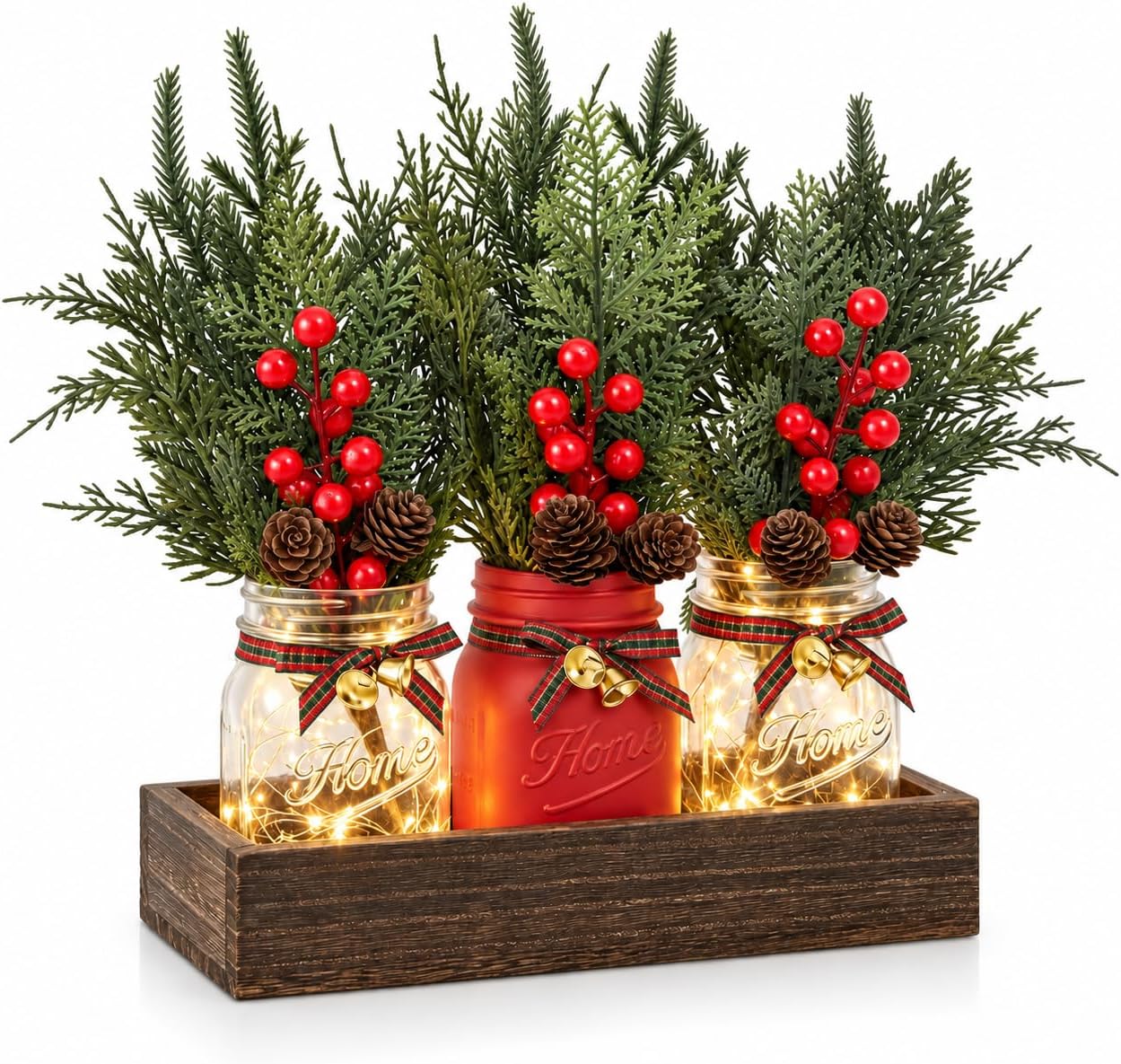
Decorating a buffet table requires a different approach than a dining table. Centerpieces should be kept to the sides or placed at the back of the table, well away from serving dishes. Avoid tall floral arrangements that could topple over or block the view of the food. For low-profile arrangements that work well on a buffet, see these Christmas centerpiece ideas.
Use small, clustered items like pinecones, ornaments, or battery-operated candles. Garlands can be draped along the front edge of the table, but keep them clear of the serving area to prevent any contact with food. Consider the lighting around the buffet table. A well-lit table makes it easier for guests to see the food and read labels. A small lamp or string lights can help if the area is dim.
Use Labels and Dietary Notes
Labeling your dishes is a simple courtesy that helps guests make informed choices. It is especially helpful for large gatherings where guests may have allergies or dietary preferences.
Making Your Own Labels
Use food labels or small tent cards. Write the name of the dish clearly. If the dish contains common allergens like nuts, dairy, or gluten, add a simple note. You can use small chalkboard signs or printed cards.
What to Include on a Buffet Label
At a minimum, include the dish name. For a more helpful label, add a brief description of the main ingredients and a note about spice level. This is particularly useful for dishes that may look similar, such as different types of dips or salads. Labeling serving utensils also helps guests know which spoon goes with which dish.
- Dish name: Clearly state what the dish is.
- Key ingredients: Mention any main components.
- Allergen notes: Flag common allergens like nuts or dairy.
- Dietary icons: Use symbols for vegetarian, gluten-free, or other categories so guests can quickly scan the table.
Keep Hot Food Hot and Cold Food Cold
Food safety is a critical part of any buffet. USDA food safety guidance is to keep hot food at 140°F or warmer and cold food at 40°F or colder. Never let food sit at room temperature for extended periods.
Hot Food Safety
Use chafing dishes, slow cookers, or electric warming trays to keep hot dishes at a safe temperature. Preheat the chafing dish with hot water before adding the food. If you are using a slow cooker, keep it on the warm setting. Stir the food occasionally to ensure even heat distribution. Do not add fresh food to a dish that is already being served; instead, replace the entire dish with a fresh, hot batch. Always follow the manufacturer’s instructions for your specific equipment.
Cold Food Safety
Keep cold dishes like salads, dips, and desserts chilled by placing the serving bowl in a larger container filled with ice. For items like cheese platters or cold cuts, keep them covered and replenish them frequently with fresh platters from the refrigerator. Perishable food should not sit at room temperature for more than two hours.
The following table offers general guidelines for keeping buffet foods safe.
| Food Type | Serving Method | Key Tip |
|---|---|---|
| Hot Soups & Stews | Slow cooker or chafing dish | Keep lid on between servings |
| Casseroles | Electric warming tray | Stir occasionally |
| Cold Salads | Bowl set in ice | Replenish with fresh platters |
| Desserts | Room temp or chilled | Keep out of direct sunlight |
Set Up Separate Drinks and Dessert Stations
To prevent congestion at the main buffet table, set up a separate station for drinks. Place glasses, ice, and beverages on a side table or counter. This allows guests to get a drink without waiting in the food line. A drink dispenser is a great option for large gatherings. A separate dessert station also works well, especially if you are serving items that require a different plate or fork. This keeps the main buffet focused on the savory courses. If guests will sit at a separate table, see these ideas for Christmas dining table decor.
FAQ
How much table space do I need per person?
It depends on how many dishes you serve rather than a fixed number per guest. Leave room for each dish plus its serving utensil, and switch to a two-sided buffet or a second table for larger groups so the line moves faster.
Can I use real candles on a buffet table?
Real candles can be used, but they must be placed well away from food, napkins, and sleeves. Use sturdy, wide-based holders and never leave them unattended. Battery-operated LED candles are a safer alternative that still provides a warm glow.
How long can food sit out on a buffet?
Perishable food should not sit at room temperature for more than two hours. After that, discard it. Using chafing dishes and ice baths helps keep food in the safe zone for the duration of your party.
Should I put napkins and cutlery at the start or end of the line?
Always place napkins and cutlery at the end of the buffet line. This allows guests to pick them up after they have filled their plates, keeping their hands free while serving themselves.
A well-organized Christmas buffet makes hosting easier and dining more pleasant for your guests. By focusing on logical flow, safe food temperatures, and thoughtful decor, you can create a beautiful and functional spread that everyone will enjoy. Take the time to set up your stations before guests arrive, and you will be free to enjoy the party alongside them.