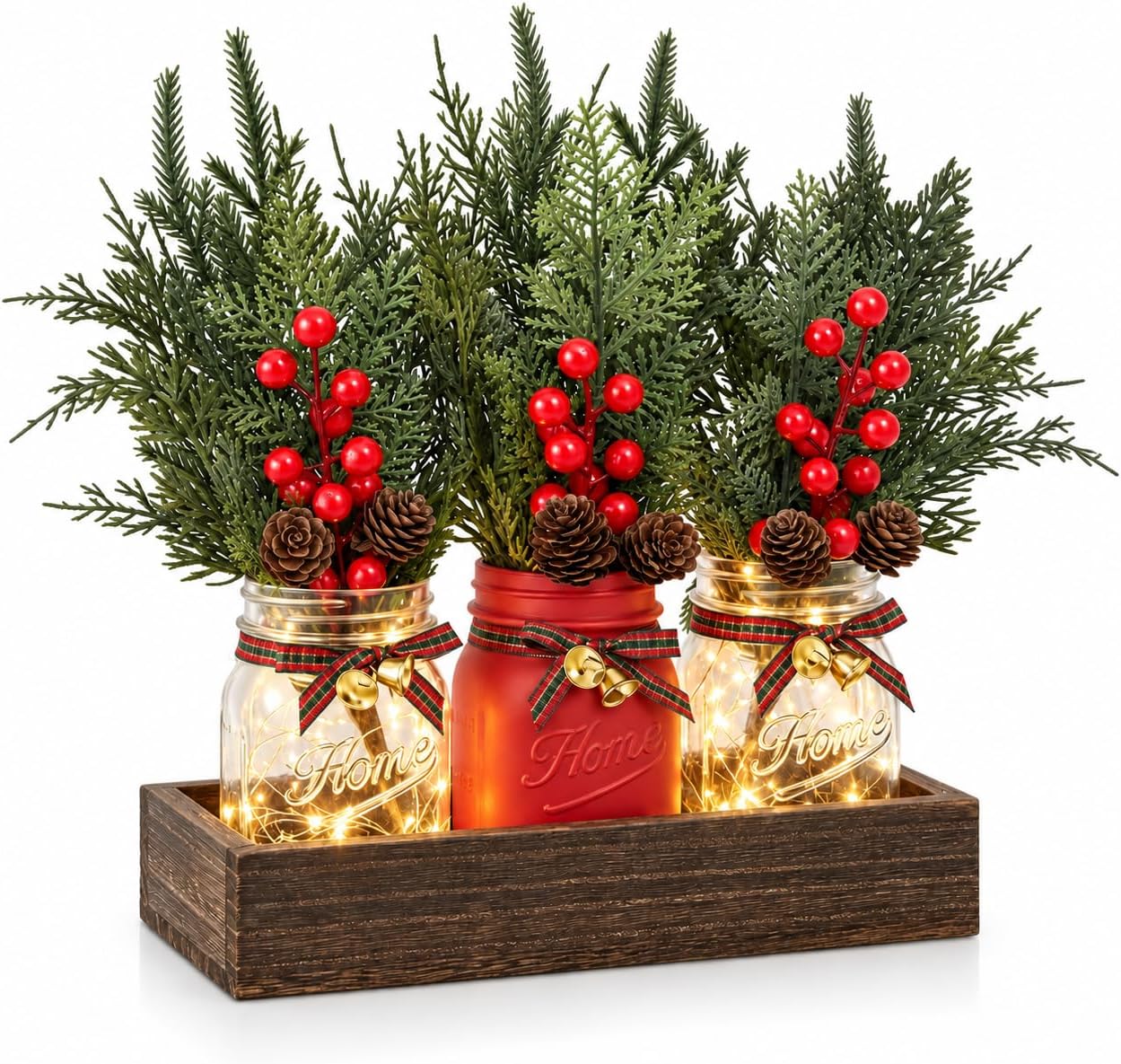

Setting a Christmas dining table is about creating a welcoming backdrop for the holiday meal while keeping the table functional for serving and conversation. Whether you are hosting a formal sit-down dinner or a casual family gathering, the key is to balance festive decoration with practical layout. This guide walks you through each step, from planning around your menu to adding the final touches, so your table is both beautiful and easy to use.
Plan Around the Meal
Before you choose a tablecloth or arrange a centerpiece, consider how the meal will be served and how many guests you have. The table’s layout should make serving and eating comfortable, not crowded.
Number of Guests and Table Size
Start by measuring your table’s length and width. A common rule of thumb is to allow about 24 inches per person for elbow room. If you have more guests than your table can comfortably seat, consider adding a leaf or using a separate side table for dishes and drinks. For a buffet-style meal, you can free up table space by placing serving platters on a sideboard or counter, leaving the dining table clear for place settings and decorations.
Serving Style
If you are serving family-style (platters passed around), keep the centerpiece low and compact so dishes can be set down without knocking over decorations. For a plated meal, you have more flexibility with a taller centerpiece, as long as it does not block sightlines. If you are using a lazy Susan or a shared serving station, ensure the table surface is level and stable.
Base Layers: Tablecloth, Runner, or Bare Wood
The foundation of your table sets the tone. Choose a base layer that complements your overall Christmas theme and protects the table surface.
- Tablecloth: A full-length cloth adds formality and warmth. For a casual look, a shorter cloth that just covers the tabletop works well. White, cream, or soft red are classic Christmas choices. If your table has a beautiful wood grain, you may prefer to leave it bare and use placemats instead.
- Runner: A Christmas table runner placed down the center adds color and texture without covering the entire table. It pairs well with bare wood or a neutral tablecloth. Runners are especially useful for buffet tables or long rectangular tables where you want to define the center.
- Layering: For a rich look, layer a runner over a tablecloth, or use a tablecloth with a contrasting overlay. Make sure the runner is long enough to extend a few inches past the table edges on both ends.
Centerpiece Height and Keeping Sightlines Clear
The centerpiece is a focal point, but it should not prevent guests from seeing each other across the table. A common rule of thumb is to keep centerpieces low (under 12 inches) or use tall, narrow arrangements that do not block faces.
- Low centerpieces: A garland, a cluster of pillar candles on a tray, or a shallow bowl of ornaments and greenery work well. These allow easy conversation and leave room for serving dishes.
- Tall centerpieces: If you prefer height, use thin taper candles in clear or colored holders, or a tall vase with a few branches. Keep them slim enough that guests can see around them. Avoid wide, bushy arrangements at eye level.
- Practical tip: Set the centerpiece slightly off-center if you need space for a turkey platter or a large bowl. Alternatively, use multiple small arrangements along the table instead of one large piece.
For more ideas, see our Christmas centerpiece ideas guide.
Place Settings Step by Step
A proper place setting makes guests feel welcomed and helps the meal flow smoothly. The basic layout follows a standard pattern, but you can adjust for your menu.
| Item | Placement | Notes |
|---|---|---|
| Dinner plate | Center of the place setting, about 1 inch from the table edge | If using a charger, place it underneath; remove before the main course. |
| Salad or soup bowl | On top of the dinner plate (for plated courses) or to the left of the plate | Remove after the course is finished. |
| Bread plate | Upper left of the dinner plate, above the forks | Place a small butter knife across the plate. |
| Forks | Left of the dinner plate, tines up | Salad fork (outer) and dinner fork (inner). If no salad course, use only dinner fork. |
| Knives | Right of the dinner plate, blade facing in | Dinner knife closest to the plate, blade facing the plate. |
| Spoons | Right of the knives | Soup spoon (outer) then teaspoon (inner) for dessert or coffee. |
| Water glass | Above the knife tip, slightly to the right | Place wine glasses to the right of the water glass. |
| Wine glasses | Right of the water glass, angled slightly | Red wine glass (larger) closer, white wine glass (smaller) further out. |
Arrange cutlery in the order of use, from the outside in. If you are serving fewer courses, you can omit some pieces. For a casual meal, you can simplify to just a dinner fork, dinner knife, spoon, and a water glass.
Napkins and Simple Napkin Folds or Rings
Napkins add color and texture. They can be folded simply or dressed up with rings or creative folds.
- Basic folds: The classic rectangle fold (napkin folded in half twice) is quick and neat. For a more decorative look, try the triangle fold (fold in half diagonally) or the pocket fold (fold into a rectangle, then fold corners back to create a pocket for cutlery).
- Napkin rings: Use simple metal or wooden rings, or make your own with ribbon, twine, or a sprig of rosemary. Slip the napkin through the ring and place it on the plate or to the left of the forks.
- Placement: Napkins can go on the dinner plate, to the left of the forks, or under the forks. If you are using a charger, place the napkin on top of the charger.
Place Cards and Small Touches
Place cards help guests find their seats and add a personal touch. They are especially useful for larger gatherings or when you have assigned seating.
- Simple place cards: Write names on small cards or tags and prop them against a wine glass or lay them on the napkin. You can also use mini ornaments, pinecones with name tags, or small gift boxes.
- Small touches: Add a sprig of holly or a cinnamon stick to each napkin. Tie a ribbon around the cutlery. Place a small favor at each setting, such as a chocolate or a homemade cookie in a cellophane bag.
- Consistency: Keep the style of place cards and favors consistent with your overall theme. For a rustic look, use kraft paper and twine; for a formal table, use calligraphy on cardstock.
Candle Safety on the Table
Candles add warmth and ambiance, but they require careful placement to prevent fire hazards. Follow these safety guidelines from the National Fire Protection Association and the U.S. Consumer Product Safety Commission.
- Keep candles away from flammable items: Place candles at least 12 inches away from curtains, napkins, tablecloths, centerpiece greenery, and other decorations. Ensure no fabric or paper touches the flame.
- Use stable holders: Place taper candles in sturdy, non-flammable holders that are wide enough to catch drips. For pillar candles, use a flat plate or tray.
- Never leave candles unattended: Extinguish all candles before leaving the room or going to sleep. Keep a candle snuffer nearby.
- Consider flameless alternatives: flameless taper candles provide the same warm glow without the risk of an open flame. They are especially recommended if children or pets are present, or if your centerpiece includes dry greenery.
- Placement on the table: Position candles away from the edge where sleeves could brush them. If using multiple candles, space them evenly and keep them out of the direct path of serving dishes.
For more detailed safety tips, visit the NFPA winter holiday fire safety page and the CPSC holiday safety information.
Ideas by Style
Your Christmas table can reflect your personal taste. Here are a few style directions to inspire you.
Traditional Red and Green
Use a red tablecloth or runner with green napkins. Add a centerpiece of evergreen garland, red berries, and white candles. Place settings can be white plates with gold-rimmed glasses. This classic palette feels warm and familiar.
Elegant White and Gold
Start with a white tablecloth and gold charger plates. Use white napkins with gold napkin rings. A centerpiece of white flowers, silver or gold ornaments, and clear glass candle holders creates a sophisticated look. This style pairs well with Christmas tree color schemes that feature metallics.
Rustic Natural
Leave the table bare or use a burlap runner. Use wooden or ceramic plates, linen napkins in earthy tones, and a centerpiece of pinecones, cinnamon sticks, and dried orange slices. Add pillar candles in mason jars or wooden holders. This style feels cozy and handmade.
Modern Minimalist
Use a solid-colored tablecloth in gray, navy, or black. Keep place settings simple with white plates and sleek flatware. A low centerpiece of a single branch or a cluster of geometric candle holders. Avoid clutter. This look is clean and contemporary.
For more inspiration on decorating your home beyond the dining room, see our Christmas living room ideas.
FAQ
How far in advance should I set the Christmas table?
You can set the table the day before your meal. This allows you to arrange decorations without rushing. Just cover the table with a clean cloth or plastic wrap to keep dust off until serving time.
Can I use real greenery on the table?
Yes, real greenery like pine, eucalyptus, or holly adds a fresh scent and natural beauty. However, keep it away from candles and ensure it is not wilting or dry, as dry greenery can be a fire hazard. Check the greenery for any insects before placing it on the table.
What is the best way to clean the table after the meal?
Remove all decorations and candles first. Wipe the table with a damp cloth and mild cleaner. If you used a tablecloth, wash it according to the care label. For bare wood tables, use a wood-safe cleaner and avoid excess moisture. Clean any candle wax drips by letting them harden and gently scraping them off, or use a hairdryer to soften the wax.
How can I make a small table look festive without overcrowding?
Use a narrow runner instead of a full tablecloth. Choose a single low centerpiece, such as a small vase with a few stems or a trio of small candles. Use placemats instead of chargers to save space. Keep place settings minimal: just a plate, fork, knife, and glass.
With these steps, you can create a Christmas dining table that feels festive, functional, and welcoming. Focus on the elements that matter most to your gathering—whether that is a showstopping centerpiece, thoughtful place settings, or safe candlelight—and adjust the details to suit your style and space. Enjoy the meal and the company.